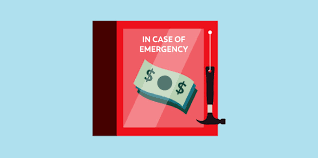
Saving & Emergency Funds: Practical Strategies for Every Income Type
An emergency fund is the financial safety net that keeps small shocks from becoming major setbacks. Whether you have a steady salary, freelance income, or seasonal earnings, a well-constructed emergency fund protects your finances, reduces stress, and gives you freedom to make better decisions when the unexpected occurs. Here’s a practical guide to building and managing your emergency savings—tailored to different income situations.
Start with a Clear Goal and Definition
First, define what “essential expenses” are for you: rent or mortgage, utilities, groceries, insurance, loan minimums, and transport. Multiply that monthly total by the number of months you want to cover. Common targets are three to six months for stable earners and six to twelve months for those with variable income or dependents. Having a numeric goal turns saving from vague good intent into a concrete plan.
Tailor the Approach to Your Income Type
Salaried workers: Aim for three to six months of essentials. Automate transfers each payday so saving happens before you can spend the money. Treat the fund like a recurring bill.
Gig workers and freelancers: Income swings make liquidity more important. Target six to twelve months and smooth out irregular cash flow by converting variable income into a “paycheck” for savings and living expenses. Put a fixed percentage (for example, 15–25%) of every payment into the emergency fund.
Seasonal earners: Build during high-earning months. Create a “seasonal surplus” account where you park extra earnings to cover lower-income periods. Plan a budget that treats your lowest-earning months as the baseline.
Practical Saving Steps That Work
-
Start small and be consistent. Even modest weekly transfers compound into a meaningful fund.
-
Automate contributions. Scheduled transfers remove friction and make saving habitual.
-
Use the right account. Keep emergency savings in a liquid, low-risk account—high-yield savings, money-market accounts, or instant-access accounts—so funds are available but not commingled with daily spending.
-
Redirect windfalls. Tax refunds, bonuses, or one-off gifts are ideal for boosting your reserve quickly.
-
Cut and reallocate. Identify nonessential expenses you can trim and redirect that money toward your emergency fund.
Protect the Fund and Rebuild After Use
Treat the fund strictly for true emergencies: job loss, urgent medical costs, major home or car repairs. Avoid using it for planned purchases or discretionary spending. If you withdraw, make rebuilding a priority—resume automated contributions and consider temporarily increasing the savings percentage until you reach your target again.
Behavioral Moves That Help
-
Visual progress trackers (charts or a dedicated app) keep motivation high.
-
Set milestone rewards for hitting percentages of your target to maintain momentum.
-
Keep the account separate and avoid linking a debit card to discourage impulse withdrawals.
When to Move Beyond an Emergency Fund
Once you have an adequate cushion, shift new savings into long-term goals: retirement accounts, investment portfolios, or a dedicated sinking fund for planned large expenses. The emergency fund is the foundation; investing builds future wealth.
